
The call to embrace natural, preventative wellness has never been stronger. At the heart of this global movement is Ayurveda, India’s traditional science of life, which champions the use of botanical treasures for healing and longevity. While the market is flooded with processed supplements, the most potent and pure source of herbal medicine remains the one closest to home: your own garden. Cultivating these botanical powerhouses allows for direct access to fresh, active compounds, transforming a simple plot or balcony into a personal, thriving apothecary. This comprehensive guide focuses on the absolute essentials—the Top 10 Herbs to Grow in a Natural Remedies Garden.
The selection of the Top 10 Herbs to Grow in a Natural Remedies Garden is based on their versatility, ease of cultivation in various climates, and their time-tested efficacy in Ayurvedic medicine. These herbs are not mere ornamentals; they are the pillars of home wellness, providing immediate, natural solutions for everything from stress and poor digestion to minor wounds and seasonal colds. By choosing to grow these specific plants, you are committing to a sustainable, holistic, and ancient approach to self-care, ensuring that nature’s pharmacy is always within reach. The benefits of tending these plants, both physical and spiritual, are integral to the Ayurvedic lifestyle.
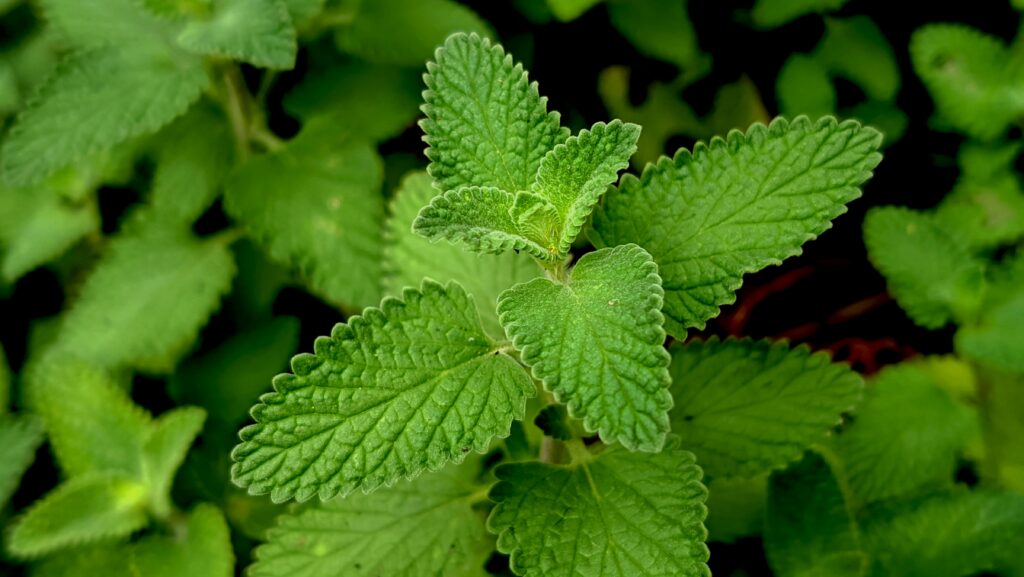
Table of Contents
- A Compendium of the Top 10 Herbs to Grow in a Natural Remedies Garden
- Tulsi: The Queen of Herbs and the Essential Component
- The Holistic Power of the Home Apothecary
- Why Only these Top 10 Herbs to Grow in a Natural Remedies Garden?
1. A Compendium of the Top 10 Herbs to Grow in a Natural Remedies Garden
To truly appreciate and utilize these herbs, it is crucial to know them by their scientific and most common indigenous names. This curated list represents the best foundation for any serious enthusiast looking to establish their own Aushadhi Vatika (medicinal garden).
| No. | Common English Name | Scientific Name | Common Indian Name(s) | Key Uses (Ayurvedic/Traditional) |
| 1. | Holy Basil | Ocimum tenuiflorum | Tulsi (Hindi, Marathi), Vishnupriya (Sanskrit) | Adaptogen, stress relief, immune support, vital for respiratory health (coughs, colds). |
| 2. | Indian Gooseberry | Phyllanthus emblica | Amla (Hindi, Marathi), Amalaki (Sanskrit) | Richest natural source of Vitamin C, potent antioxidant, rejuvenating tonic, supports hair and eye health. |
| 3. | Aloe Vera | Aloe barbadensis miller | Ghritkumari (Hindi), Kumari (Sanskrit) | Topical treatment for burns, cuts, and skin irritation; internal use for digestion and detoxification. |
| 4. | Turmeric | Curcuma longa | Haldi (Hindi, Bengali), Haridra (Sanskrit) | Powerful Anti-inflammatory, antioxidant, antiseptic; used as a paste for wounds and consumed for internal health. |
| 5. | Ashwagandha | Withania somnifera | Ashwagandha (Hindi), Indian Ginseng (English) | Adaptogen, stress and anxiety reduction, improves energy, aids restful sleep, supports nerve and reproductive health. |
| 6. | Mint | Mentha sp. | Pudina (Hindi, Urdu), Vilayati Pudina | Digestive aid, cooling agent, relief from flatulence and indigestion, used for headaches and respiratory congestion. |
| 7. | Gotu Kola / Waterhyssop | Centella asiatica or Bacopa monnieri | Mandukparni or Brahmi (Hindi, Sanskrit) | Nootropic (memory and cognitive function enhancer), nerve tonic, promotes mental clarity and skin healing. |
| 8. | Ginger | Zingiber officinale | Adrak (Fresh – Hindi), Shunthi (Dried – Sanskrit) | Digestive aid, anti-nausea, anti-inflammatory, essential home remedy for colds and coughs. |
| 9. | Carom Plant | Trachyspermum ammi | Ajwain (Hindi, Urdu), Oma (Tamil) | Excellent for easing indigestion, bloating, and stomach cramps; possesses strong anti-bacterial properties. |
| 10. | Neem | Azadirachta indica | Neem (Hindi, Bengali), Indian Lilac (English) | Blood purifier, anti-fungal, anti-bacterial, detoxifying agent, essential for skin disorders and dental hygiene. |
Export to Sheets
2. Tulsi: The Queen of Herbs and the Essential Component
Among the distinguished members of the Top 10 Herbs to Grow in a Natural Remedies Garden is Tulsi (Ocimum tenuiflorum), universally known as Holy Basil. Its presence is considered a blessing in the Indian household, often occupying a central courtyard and revered for its protective and purifying properties. The epithet “Queen of Herbs” is earned due to its sheer versatility and profound medicinal impact.
Tulsi’s crowning achievement is its status as a premier adaptogen. This means it works at a cellular level to help the body successfully navigate, respond to, and recover from various stressors—be they physical exertion, emotional turmoil, or environmental toxins. In a world defined by chronic stress, Tulsi is an indispensable ally. Consuming Tulsi regularly, often as a simple tea brewed from fresh leaves, helps to balance cortisol levels, thereby reducing anxiety, promoting mental clarity, and ensuring sustained, calm energy throughout the day. This regulating effect is fundamental to maintaining long-term vitality. For a deeper scientific look at adaptogens, read this article on stress relief [[Insert External Link 1: Scientific Article on Adaptogens]].
Beyond stress management, Tulsi is a robust immune modulator. It is loaded with potent antioxidants and volatile oils such as eugenol and carvacrol, which lend it strong anti-bacterial, anti-viral, and anti-fungal capabilities. This makes it the cornerstone of the home remedy kit for seasonal wellness. Chewing a few fresh Tulsi leaves or drinking a warm decoction is a time-honored practice to alleviate symptoms of cold, cough, mild fever, and respiratory congestion.
The cultivation of Tulsi in a home garden is remarkably easy; it is a hardy, fragrant plant that thrives in warm conditions. For those who cannot easily find a local sapling, quality Tulsi seeds are readily available online [[Insert External Link 3: Amazon/Commercial Link for Tulsi Seeds]]. For anyone curating the Top 10 Herbs to Grow in a Natural Remedies Garden, Tulsi is non-negotiable, offering a constant source of fresh leaves for teas, decoctions, and poultices, and famously purifying the air around it.
3. The Holistic Power of the Home Apothecary
The efficacy of the remaining herbs in the Top 10 Herbs to Grow in a Natural Remedies Garden creates a well-rounded natural pharmacy.
Haldi (Turmeric), a perennial rhizome easily grown in containers, provides the powerful compound curcumin, recognized globally as an anti-inflammatory and antiseptic miracle. Fresh Haldi paste is a household staple for minor cuts, while a pinch in warm milk (Haldi Doodh) soothes internal inflammation and boosts immunity.
Amla (Indian Gooseberry), though a small tree, can often be maintained in a large container. It is revered in Ayurveda as a Rasayana (rejuvenating tonic) due to its unprecedented Vitamin C content and potent antioxidant profile, making it crucial for longevity and overall tissue health.
The succulent leaves of Ghritkumari (Aloe Vera) are essentially a first-aid kit in plant form. The cooling, moisturizing gel provides immediate relief for burns, sun damage, and skin irritations—a true medicinal marvel that is extremely low maintenance. To learn best practices for growing Aloe indoors, check out this gardening guide [[Insert External Link 2: Gardening Guide for Aloe Vera]].
For those focusing on mental and nervous system health, Ashwagandha (an adaptogen like Tulsi) and Mandukparni/Brahmi (a revered nootropic) are invaluable additions to the Top 10 Sacred Indian Herbs to Grow in a Natural Remedies Garden. Ashwagandha’s root is used to calm the nervous system and promote deep sleep, while the leaves of Brahmi or Gotu Kola are chewed or brewed into a tea to sharpen memory, enhance concentration, and soothe nervous anxiety. You can purchase the dried root powder for immediate use while waiting for your own plants to mature [[Insert External Link 4: Amazon/Commercial Link for Ashwagandha Root Powder]].
Finally, the digestive trio—Pudina (Mint), Adrak (Ginger), and Ajwain (Carom)—are fast-growing, essential herbs. Fresh Adrak tea soothes nausea and combats cold symptoms. A few Ajwain leaves can instantly remedy indigestion or bloating. And the cooling, aromatic leaves of Pudina are perfect for teas and chutneys that balance Pitta (heat) in the body. The last essential, Neem, with its intensely bitter leaves, is one of the most powerful blood purifiers and anti-microbial agents, invaluable for treating skin conditions.
4. Why Only these Top 10 Herbs to Grow in a Natural Remedies Garden?
The act of growing and utilizing these herbs is an accessible, powerful way to embrace preventative health. By establishing your Top 10 Herbs to Grow in a Natural Remedies Garden, you not only gain access to superior, fresh medicine but also actively participate in a tradition of wellness that is thousands of years old, nurturing both your body and your connection to nature’s healing intelligence.
By cultivating your own Top 10 Herbs to Grow in a Natural Remedies Garden, you’re not only embracing a lifestyle rooted in nature’s wisdom but also empowering yourself with daily access to healing. These herbs offer more than just physical benefits—they invite mindfulness, seasonal awareness, and a deeper connection to your surroundings. Whether you’re sipping tulsi tea to calm your nerves or applying neem paste to soothe your skin, each remedy becomes a ritual of self-care. In a world where wellness is often outsourced, your garden becomes a sanctuary—where health is grown, nurtured, and truly lived.